Unlocking Urban Edge: Mastering Guilt Streetwear Design Templates
The line between fashion and graphic design has never been thinner. For modern streetwear brands, the graphic is the garment. It’s the statement, the vibe, and the reason a customer connects with a piece. But creating those bold, resonant designs from scratch is a time-intensive process that can stall momentum. This is where a resource like Guilt Streetwear Design Templates shifts from a nice-to-have to a core strategic asset. It’s not just a collection of graphics; it’s a foundational toolkit for building a cohesive visual language for your brand or project.
The Aesthetic Core: More Than Just a Quote
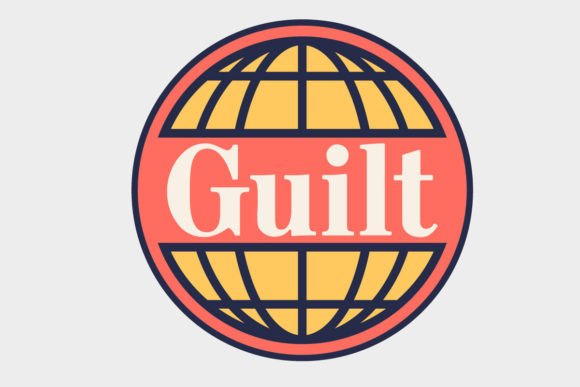
At first glance, the offering is a curated collection of quotes rendered in distinct, aesthetic styles. But to view them as mere text is to miss the point. These are fully realized graphic compositions. The visual character leans into contemporary streetwear sensibilities—think gritty textures, balanced negative space, and typographic treatments that feel both intentional and effortless. The personality is confident, introspective, and unapologetically modern. It’s the kind of design that works on a heavyweight hoodie, a minimalist tote bag, or as a striking social media post because it carries an inherent coolness that doesn’t rely on overdone tropes.
The true value lies in the format: 100% vector source files in EPS. This is the critical detail for any serious creator. Unlike a static JPG, a vector file is a living blueprint. It means the sharp, clean lines and intricate details of the design are mathematically defined, not pixel-based. You can scale up to the size of a billboard or down to a tiny chest logo without a single loss of quality. This flexibility is non-negotiable for professional merchandise, where a design might need to work on a tag, a sleeve, and a full back print.
From Digital File to Tangible Product: Practical Applications
Understanding the file’s capabilities is one thing; knowing how to deploy it effectively is another. The included high-resolution JPG is perfect for quick mockups or social media teasers, but the EPS vector file is your workhorse for production. Here’s how this design asset integrates into real-world workflows.
For the entrepreneur launching a streetwear line, these templates are a launchpad. Instead of investing weeks and thousands of dollars in initial design concepts, you have a professional-grade starting point. Open the EPS in Adobe Illustrator or Affinity Designer. The first step isn’t to use it as-is, but to deconstruct it. The instruction to “transform, scale up & down, add & remove elements or text, recolor without losing the quality” is the key. Perhaps you love the typographic style of a quote but want to replace the words with your brand name. Maybe the overall layout is strong, but you want to incorporate a custom icon. This is where the template becomes a collaborative partner in your design process, saving you from the blank canvas paralysis while ensuring the final output is uniquely yours.
Beyond apparel, consider the broader ecosystem of a brand. These designs are ideal for creating consistent brand identity across multiple touchpoints. The same graphic that lives on a t-shirt can be adapted for a website header, a newsletter banner, or a series of social media graphics. This consistency builds recognition. When a customer sees the same powerful visual language on Instagram, on a sticker, and on the clothing they receive, it reinforces brand professionalism and creates a cohesive world they want to be part of.
Strategic Integration: Making the Design Work for You
Simply having a great design isn’t enough. Successful integration requires a strategic mindset, whether you’re a designer, a marketer, or a small business owner. Here’s a practical framework for evaluating and using Guilt Streetwear Design Templates.
First, evaluate the fit. Does the inherent style—its weight, texture, and mood—align with your brand’s core message? A design with a distressed, vintage feel won’t serve a brand built on crisp, futuristic minimalism, and vice-versa. Be honest about this alignment. The best projects use these assets as a natural extension of an existing vision, not a forced addition.
Next, consider font pairing and hierarchy if you’re modifying text. While the templates come with their own typographic voice, if you’re adding supplementary text (like a website URL or a secondary slogan), choose typefaces that complement, not compete. A bold, impactful display font from the template might pair well with a clean, neutral sans-serif for supporting information. This creates a clear visual hierarchy that guides the viewer’s eye.
Finally, always test in context. Before sending a design to a printer, mock it up on the actual product. How does the quote sit on a hoodie versus a t-shirt? Does the scale feel right on a women’s fit compared to a men’s? How does the color palette interact with the fabric color? This step is crucial for ensuring the digital design translates effectively to the physical world. The beauty of having vector source files is that these adjustments—tweaking the scale by 5%, shifting the placement, or altering a color to better contrast with the fabric—are simple and precise.
In the end, resources like Guilt Streetwear Design Templates are about empowerment. They provide a high-quality, versatile foundation that respects your time and creative ambition. They allow you to focus on the bigger picture: building a brand, telling a story, and connecting with an audience through powerful visual communication. The extraordinary isn’t just in the file you download; it’s in what you choose to build with it.