Sell Canva Templates on Etsy: Your Complete Guide
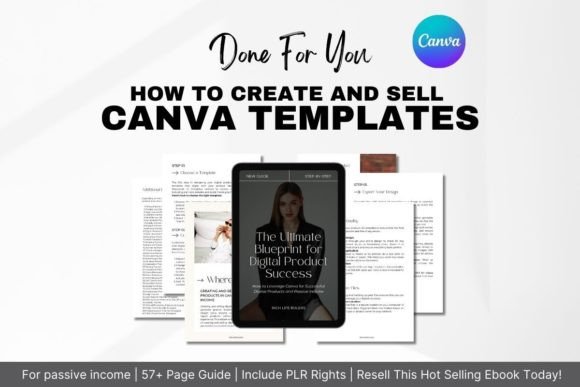
Creating a digital product business on Etsy using Canva is one of the most accessible ways to generate passive income today. You don't need a degree in graphic design, nor do you need expensive software subscriptions. The barrier to entry is low, but the competition is high, which means the difference between a shop that makes a few dollars and one that thrives lies in the quality of your product and the strategy behind your sales. If you have been looking for a roadmap to navigate this market, "The Ultimate Blueprint for Digital Product Success" offers the structure you need to turn your creative ideas into a sustainable revenue stream.
Why Canva is the Powerhouse for Digital Creators
Canva has evolved from a simple drag-and-drop editor into a robust design suite that rivals professional tools for many use cases. For the digital product creator, this is a game-changer. The platform allows you to design everything from intricate eBooks and planners to social media kits and wedding invitations. The core appeal here is the user-friendly interface combined with an extensive library of templates and design elements.
However, simply using the free elements provided by Canva is not enough to build a premium brand. To stand out, you need to understand how to leverage Canva’s features to create professional-quality designs. This involves mastering the upload feature to bring in unique design assets, such as custom fonts, textures, and illustrations. When you treat Canva as a professional workspace rather than just a casual editing tool, you unlock the potential to create products that look high-end and command higher prices.
Identifying Profitable Niches and Trends
The digital marketplace is vast, and trying to sell "generic planners" is a recipe for obscurity. The key to success on Etsy is specificity. You need to master the art of finding lucrative niches where customer demand meets your creative strengths. This requires a mix of intuition and data analysis.
Start by exploring Etsy’s search bar and observing the auto-fill suggestions. These are real-time indicators of what buyers are looking for. Are people searching for "boho wedding seating charts" or "minimalist business planners"? Once you identify a potential niche, look at the visual characteristics of the top-performing shops. Are they using serif fonts for a classic look, or sans serif fonts for modern minimalism? Understanding the brand identity of your target market allows you to design products that feel like they were made specifically for them.
Designing Products That Actually Sell
When it comes to design, functionality is just as important as aesthetics. A beautiful planner that is difficult to edit or print will result in bad reviews. Your goal is to create stunning, user-friendly designs that stand out in search results but are intuitive for the customer to use once purchased.
Pay close attention to visual hierarchy. Use font sizes and weights to guide the user’s eye through the document. If you are creating an eBook template, ensure there is enough white space for readability. Consider the typography choices carefully; a display font might look great on a cover, but it will fail as body copy. Use font pairing techniques—combining a bold header font with a clean body font—to create a polished, professional look.
Exporting, Listing, and Marketing on Etsy
Once your design is finalized, the technical side of selling begins. You need to export your files correctly to ensure the customer has a seamless experience. While Canva allows you to share edit links, many sellers prefer to provide PDF instructions on how to access the template, which helps protect your work and ensures the customer makes a copy rather than editing your master file.
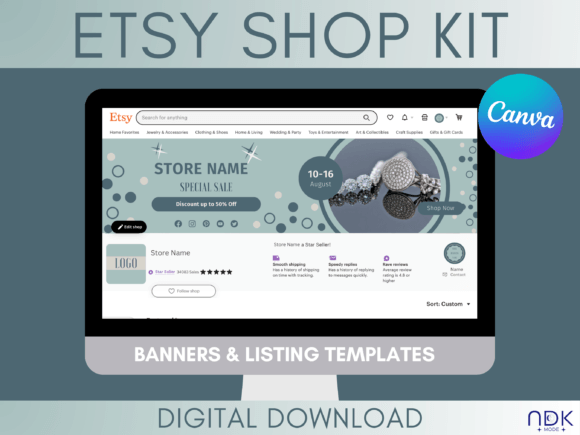
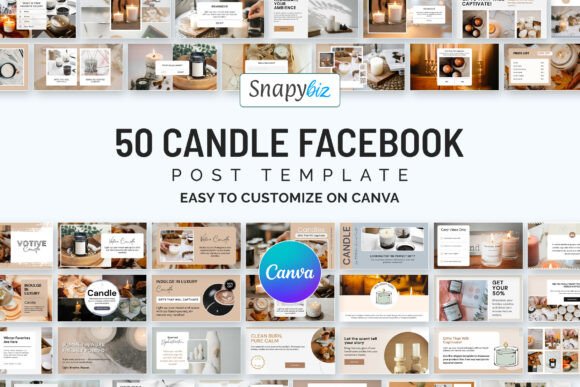
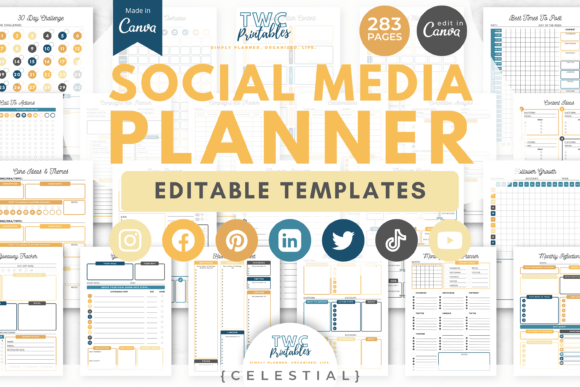
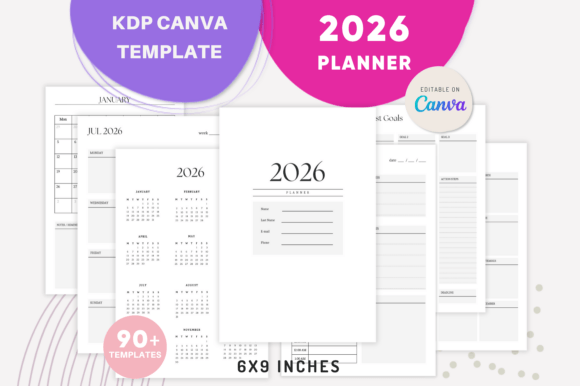
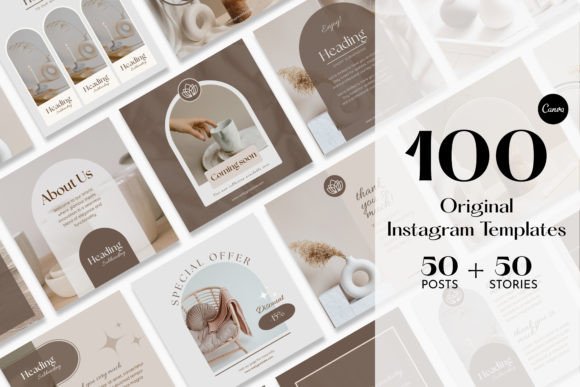
Your Etsy listing is your storefront window. It needs high-quality mockups that show the product in use—perhaps a social media kit displayed on a phone screen or a wedding invite printed on textured paper. Your description should be rich with relevant keywords but written in a natural, helpful tone. Explain exactly what the customer is getting, the file format, and how they can customize it.
Building a Sustainable Brand Identity
One of the most overlooked aspects of selling digital products is consistency. If your shop sells planners, business cards, and social media graphics, they should all feel like they belong to the same family. This is where your choice of design assets comes into play.
Develop a signature style. Maybe you specialize in bold, colorful designs using modern typography, or perhaps you focus on elegant, neutral tones with script fonts. When a customer buys one product and loves the style, they are likely to return for matching items. This consistency builds brand recognition and trust, turning one-time buyers into loyal fans of your creative work.
The Blueprint for Long-Term Success
The digital product landscape is always shifting. Trends change, algorithms update, and customer preferences evolve. To thrive, you must treat your Etsy shop as a business, not just a hobby. This means continually updating your portfolio, researching new niches, and refining your design skills.
"The Ultimate Blueprint for Digital Product Success" emphasizes the importance of this mindset. It’s not just about the initial sale; it’s about building a library of digital products that work for you while you sleep. By leveraging the power of Canva and the reach of Etsy, you can build a creative empire that generates passive income and allows you to share your design vision with the world.
Focus on solving problems for your customers. Whether you are saving them time with a pre-made resume template or helping them celebrate a milestone with a custom invitation, your value lies in the solution you provide. Keep your designs fresh, your listings optimized, and your customer service excellent, and you will find success in the exciting world of digital design.